 By Sandeep Kumar
 The ongoing conflict involving the United States, Israel, and Iran has now entered its 47th day, marking one of the most intense geopolitical crises in recent years. While diplomatic efforts appear to be gaining momentum, the situation on the ground remains fragile and unpredictable.
The war has not only reshaped the dynamics of the Middle East but has also sent shockwaves across global markets, energy supply chains, and international diplomacy. As world leaders push for a resolution, the question remains: is the war truly nearing its end, or is it entering a more dangerous phase?
In this in-depth report, we break down the latest developments, including peace negotiations, military escalations, economic strategies, and the broader global implications.
Renewed Hope for Peace Talks
Recent statements from the White House suggest that diplomatic channels between the Unite States and Iran remain active and potentially productive. Discussions are reportedly underway for a second round of negotiations, possible to be held again in Islamabad, Pakistan.
According to U.S. officials, the first round of talks made significant progress, with agreement reached on several key issues. However, one major sticking point continues to dominate discussions-Iran’s nuclear program.
Washington has made it clear that limiting Iran’s nuclear ambitions is a non-negotiable condition. Tehran, on the other hand, views its nuclear capabilities as a matter of national sovereignty and security.
This fundamental disagreement remains the biggest hurdle in achieving a lasting peace agreement.
Ceasefire: A Temporary Pause or Strategic Delay?
A two-week ceasefire currently exists between the United States and Iran, offering a brief pause in direct hostilities. However, with only days remaining before its expiration, uncertainty looms large.
Reports suggesting that the U. S. requested an extension have been firmly denied by the White House. This indicates that Washington may be preparing for multiple scenarios, including a possible resumption of military operations.
If negotiations fail to produce concrete outcomes, the fragile ceasefire could collapse, leading to renewed escalation.
Operation Economic Fury: America’s Pressure Strategy
In parallel with diplomatic efforts, the United States has intensified its economic campaign against Iran under a strategy dubbed “Operation Economic Fury”
This initiative includes:
- Secondary sanctions on countries purchasing Iranian oil
- Restrictions on banks facilitating Iranian financial transactions
- Targeting global networks linked to Iran’s economic infrastructure
The objective is clear: weaken Iran’s economy to force compliance at the negotiating table.
While such measures have historically been effective in exerting pressure, they also risk deepening humanitarian challenges within Iran.
Strait of Hormuz: The Global Energy Flashpoint

The Strait of Hormuz remains at the center of this conflict. As one of the world’s most critical maritime chokepoints, nearly 20% of global oil supply passes through this narrow corridor.
The U.S. has implemented a naval blockade targeting vessels connected to Iranian ports. While not a full closure of the strait, this move significantly disrupts Iran’s oil exports.
In response,s Iran has issued a stark warning: it the blockade continues, it may expand restrictions to other strategic waterways, including:
- The Red Sea
- The Persian Gulf
- The Gulf of Oman
Such actions could trigger a global energy crisis, affecting oil prices and supply chains worldwide.
Is the Blockade Effective?
U.S. Central command claims that the blockade has successfully halted Iran’s maritime trade. However, independent analyses present a more nuanced picture.
Evidence suggests:
- Some Iran-linked vessels are still navigating regional waters
- Several ships have altered routes to avoid confronatation
- Others have disabled tracking systems to evade detection
While there is no confirmed case of a fully loaded oil tanker successfully exiting Iranian ports, the lack of complete transparency makes verification difficult.
This indicates that the blockade is impactfull but not absolute.
Rising U.S. Military Presence in the Middle East
Amid rising tensions, the United States is reportedly reinforcing its military presence in the region.
Key developments include:
- Deployment of the USS George H.W. Bush aircraft carrier
- Arrival of approximately 6,000 additional troops
- Plans to send 4,000+more personnel by the end of the month
These reinforcements would join an estimated 50,000 U.S. military personnel already stationed in the Middle East.
Although the Pentagon has not officially confirmed these numbers, the move signals that Washington is preparing for all contingencies, including a potential escalation.
Humanitarian Crisis Inside Iran
While geopolitical strategies dominate headlines, the human cost of the conflict is severe.
Inside Iran, millions are facing worsening conditions:
- Widespread infrastructure damage
- Severe internet restrictions
- Rising inflation and economic hardship
- Growing fear of renewed conflict
Major cities such as Tehran, Isfahan, and Mashhad have witnessed significant destruction. Residential areas have been heavily impacted, leaving many displaced and traumatized.
Humanitarian organizations describe the situation as increasingly dire, with urgent need for international assistance.
Israel-Hezbollah Conflict Intensifies
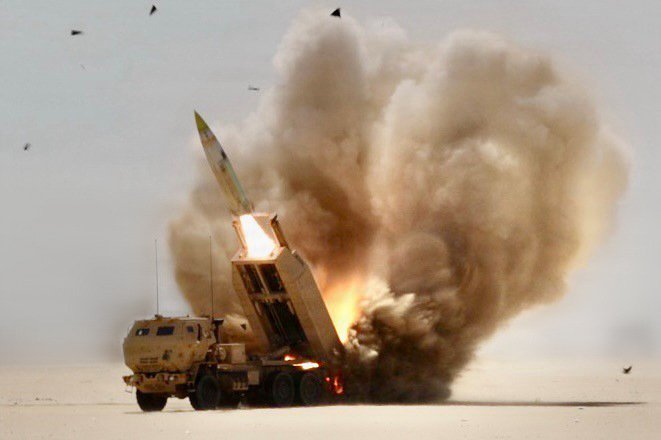
despite the ceasefire between the U.S. and Iran, hostilities between Israel and Hezbollah continue unabated.
Recent developments include:
- Over 30 rockets launched into northern Israel
- Israeli retaliatory strikes in southern Lebanon
- Reports of civilian casualties on both sides
Israeli Prime Minister Benjamin Netanyahu has instructed the military to maintain operations against Hezbollah, emphasizing national security concerns.
Public Sentiment in Israel
Public opinion within Israel reflects a complex and divided perspective.
While many support continued action against Hezbollah, there is growing skepticism regarding the broader war against Iran.
Critics argue that key objectives have not been achieved, including:
- Neutralizing Iran’s missile capabilities
- Preventing future nuclear development
- Achieving long-term regional stability
This internal pressure adds another layer of complexity to the government’s decision-making.
UK Criticism of U.S. Strategy

The United Kingdom has voiced rare but strong criticism of the U.S. approach to the conflict.
A senior government official expressed frustration, stating that the U.S. entered the war without a clear exit strategy.
This highlights emerging divisions among Western allies, potentially complicating coordinated international efforts.
Global Economic Impact
The ripple effects of this conflict are being felt worldwide.
Key consequences include:
- Volatility in global oil prices
- Disruptions in international trade routes
- Increased uncertainty in financial markets
Countries heavily dependent on energy imports, such as India, are particularly vulnerable to these fluctuations.
If tensions escalate further, the economic impact could deepen significantly.
Is the War Really Nearing Its End?
Despite optimistic statements from U.S. leadership, the reality remains uncertain.
Several critical factors suggest caution:
- Negotiations are still incomplete
- Military operations continue in multiple regions
- Strategic disagreements remain unresolved
While progress has been made, a definitive end to the conflict is not yet in sight.
What Happens Next?
The coming days will be crucial in determining the trajectory of this conflict.
Three possible scenarios emerge:
1. Diplomatic Breakthrough
Successful negotiations could lead to a formal agreement and de-escalation.
2. Collapse of Ceasefire
Failure in talks may result in renewed and intensified military action.
3. Regional Escalation
Expansion of the conflict into key maritime routes could trigger a broader regional war.
Conclusion
Day 47 of the US-Israel-Iran conflict underscores the delicate balance between war and diplomacy. While there are signs of progress, the risks of escalation remain high.
The outcome of upcoming negotiations will play a Decisive role in shaping not only the future of this conflict but also the stability of the broader Middle East and global order.