 By Sandeep Kumar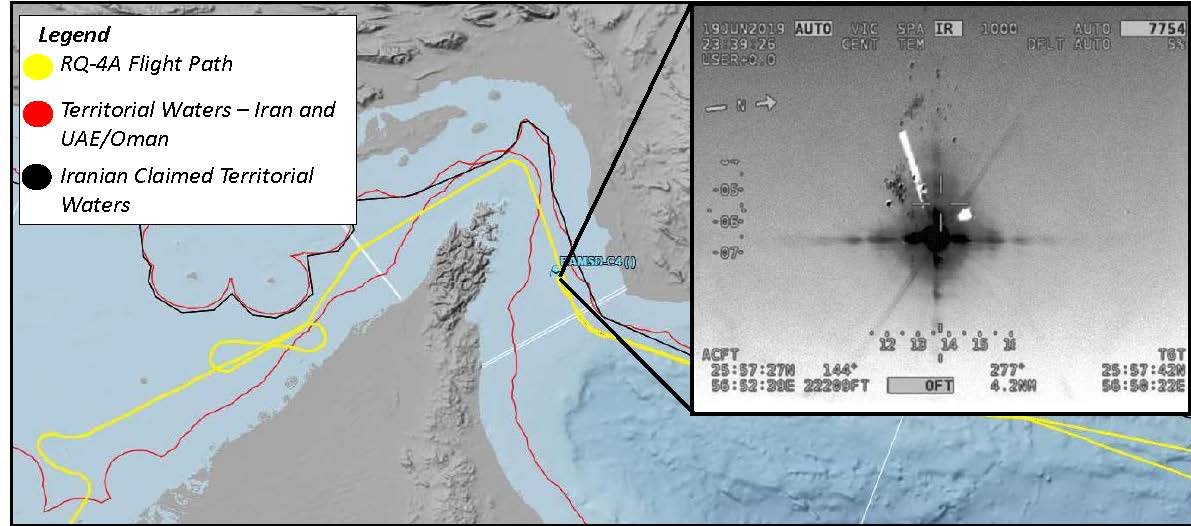
The Middle East continues to witness one of its most complex and sensitive geopolitical periods in recent years. Relations between Iran, the United States, and Israel remain highly strained despite ongoing diplomatic efforts aimed at preventing another major regional conflict. Military preparedness, concerns surrounding Iran’s nuclear program, maritime security in the Strait of Hormuz, and the strategic calculations of regional powers have all contributed to an atmosphere of uncertainty.
Recent developments indicate that while direct large-scale military confrontation has not resumed, governments across the region remain cautious. Military deployments, intelligence activities, diplomatic negotiations, and security planning continue simultaneously. International organizations and global powers are also closely monitoring the situation because any significant escalation could affect global energy markets, international trade, and regional stability.
As discussions over Iran’s nuclear activities continue, questions remain about the future of diplomacy, sanctions, regional deterrence, and the security architecture of the Middle East. This article examines the latest developments, the positions of the key stakeholders, and the possible scenarios that could shape the coming months.
Regional Tensions Continue Despite Diplomatic Efforts
Although active hostilities have eased compared to previous periods of escalation, the political and military environment across the Middle East remains fragile. Governments continue to balance diplomatic engagement with security preparedness while avoiding actions that could unintentionally trigger another conflict.
Relations between Iran, the United States, and Israel have remained tense for several years, driven by disagreements over Iran’s nuclear program, regional influence, missile capabilities, and support for allied groups across the Middle east. These issues have repeatedly complicated diplomatic negotiations and contributed to cycles of sanctions, military pressure, and regional instability.
In recent weeks, diplomatic contacts have continued through various international channels. While officials from multiple countries have expressed support for reducing tensions, significant disagreements remain over nuclear verification, sanctions relief, and future security guarantees.
One of the central issues continues to be Iran’s nuclear program. Western governments maintain that Iran should provide greater transparency regarding uranium enrichment and cooperate fully with international monitoring mechanisms. Iranian officials, meanwhile, have consistently stated that their nuclear activities are intended for peaceful civilian purposes and that the country has the right to develop nuclear technology under international agreements.
The gap between these positions has made negotiations increasingly complicated. Each side continues to seek stronger guarantees before making major concessions, slowing progress toward a comprehensive agreement.
Beyond nuclear discussions, regional security has become equally important. Governments throughout the Middle East are closely monitoring military deployments, intelligence activities, and naval operations across strategic waterways.
The current environment demonstrates that diplomacy and deterrence are operating simultaneously. Countries are pursuing negotiations while also maintaining military readiness in case talks fail or regional conditions deteriorate.
For international observers, this combination of diplomacy and preparedness illustrates the complexity of modern Middle Eastern geopolitics, where political dialogue and security planning often proceed side by side rather than replacing one another.
Why the Strait of Hormuz Remains Strategically Important
Among all strategic locations in the Middle East, few are as significant as the Strait of Hormuz. This narrow waterway continues to influence global energy markets, international shipping, and regional security planning.
The Strait of Hormuz connects the Persian Gulf with the Gulf of Oman and the Arabian Sea. It serves as one of the world’s most important maritime corridors, carrying a substantial share of internationally traded crude oil and liquefied natural gas.
Because of its economic importance, any increase in military activity near the Strait immediately attracts global attention. Commercial shipping companies, insurance providers, energy markets, and governments all monitor developments in this region carefully.
Iran has historically emphasized its strategic position along the Strait of Hormuz, arguing that regional security should be maintained through cooperation among neighboring countries rather than external military intervention. At the same time, the United States and several allied nations have maintained a naval presence in nearby waters to ensure freedom of navigation and protect international shipping routes.
This overlapping military presence requires careful coordination to avoid misunderstandings. Even routine naval exercises or patrol operations are often examined closely by analysts because they may influence diplomatic relations or market confidence.
Energy markets are particularly sensitive to developments in the Strait. Any perception of increased risk can contribute to fluctuations in global oil prices, shipping costs, and insurance premiums. Businesses that depend on stable energy supplies therefore monitor regional developments alongside governments and security experts.
Regional countries are also investing in strengthening their defensive capabilities, maritime surveillance systems, and critical infrastructure protection. These measures are intended to enhance national security while reducing vulnerabilities associated with strategic waterways.
Although commercial shipping continues to operate through the Strait, experts note that maintaining open communication channels among regional and international actors remains essential for preventing accidental escalation. Confidence-building measures, maritime coordination, and diplomatic dialogue continue to play an important role in reducing risks while preserving one of the world’s most important trade corridors.
Iran’s Nuclear Program and the Challenges of International Diplomacy
Iran’s nuclear program remains the central issue shaping its relations with the United States, Israel, and several European countries. While diplomatic channels remain open, major disagreements continue over uranium enrichment, sanctions, verification measures, and long-term security guarantees.
Iran maintains that its nuclear program is designed for peaceful purposes such as electricity generation, scientific research, and medical applications. The country argues that, as a signatory to the Nuclear Non-Proliferation Treaty (NPT), it has the right to develop civilian nuclear technology under international law.
However, the United States, Israel, and several Western governments remain concerned about Iran’s uranium enrichment activities. They argue that enrichment at higher purity levels could potentially reduce the time required to produce weapons-grade material if such a political decision were ever made. Iran has repeatedly denied seeking nuclear weapons and states that its defense doctrine does not include developing nuclear arms.
The continues to play a key role in monitoring Iran’s declared nuclear facilities. The agency regularly assesses compliance with safeguards agreements and publishes reports on inspection activities. At the same time, disputes over inspector access, monitoring equipment, land transparency have complicated negotiations.
Another important issue is sanctions. International sanctions have affected Iran’s economy by limiting trade, foreign investment, banking transactions, and energy exports. Iranian officials argue that sanctions have harmed ordinary citizens and should be lifted if meaningful progress is make in negotiations. Western governments, meanwhile, generally maintain that sanctions are an important tool to encourage compliance with international commitments.
Because both sides seek guarantees before making concessions, negotiations have progressed slowly. Diplomatic efforts therefore continue through multiple channels, involving regional countries, European governments, and international organizations.
Regional Security, Military Readiness, and Possible Future Scenarios
Even as diplomatic discussions continue, governments across the Middle East remain focused on national security. Military preparedness, intelligence cooperation, and defensive planning continue to influence regional decision-making.
Countries across the region continue to strengthen air defense systems, maritime surveillance, cyber security capabilities, and border security. These measures are intended to improve preparedness while reducing the risks associated with regional instability.
Israel has consistently emphasized that it views Iran’s military capabilities and support for allied armed groups as significant security concerns. Iran, on the other hand, argues That its defense posture is designed to deter external threats and protect national sovereignty.
Several Gulf countries are also closely monitoring developments. Their governments seek regional stability because prolonged conflict could disrupt trade, investment, tourism, and energy exports. As a result, many states support diplomatic engagement while simultaneously investing in stronger defensive capabilities.
International observers generally outline several possible scenarios for the months ahead:
Diplomatic Progress: Negotiations could gradually improve, leading to greater transparency, confidence-building measures, and limited agreements that reduce immediate tensions.
Continued Stalemate: Talks may continue without a comprehensive breakthrough, resulting in persistent political disagreements but avoiding direct military confrontation.
Renewed Escalation: If negotiations collapse or a major security incident occurs, regional tensions could increase rapidly. Such a scenario could affect international shipping, global energy prices, and broader geopolitical stability.
At present, analysts not e that diplomacy remains the preferred option for most governments because another major conflict would carry significant economic and humanitarian consequences for the entire region.
Conclusion
The relationship between Iran, the United States, and Israel continues to shape the strategic landscape of the Middle East. While disagreements over nuclear activities, sanctions, and regional security remain unresolved, diplomatic efforts have not ended. Governments continue to pursue negotiations even as they maintain military readiness and strengthen national defenses.
The future of the region will likely depend on a combination of sustained diplomacy, responsible political leadership, and effective communication between all parties involved. Confidence-building measures, international monitoring, and respect for international law will remain essential to reducing tensions and preventing further escalation.
Although uncertainty persists, continued dialogue offers the most practical path toward greater regional stability. The coming months are expected to be important as policymakers assess diplomatic opportunities, security developments, and the broader implications for international peace and global energy markets.
According To Wikipedia
Author by Sandeep Kumar