 By Sandeep Kumar
The conflict between Russia and Ukraine continues to evolve with sustained military operations, long-range strikes, and growing pressure across multiple sectors of the battlefield. In recent weeks, fighting has remained particularly intense in eastern and northeastern Ukraine, where both sides have attempted to strengthen their positions through artillery fire, drone operations, missile attacks, and defensive fortifications. Alongside developments on the battlefield, political statements from Moscow and Kyiv, international diplomatic efforts, and military assistance from Western partners continue to shape the broader strategic environment.
Military analysts note that the conflict has increasingly become a war of endurance. Rather than relying solely on rapid territorial advances, both countries are investing heavily in long-range strike capabilities, electronic warfare, intelligence gathering, and drone technology. The result is a battlefield where tactical gains often come at a significant cost, while critical infrastructure and military logistics remain key targets.
Russian Military Activity Signals Continued Pressure Along the Frontline
Eastern Ukraine remains the focal point of military operations. Russian forces have continued offensive actions across several sectors while maintaining pressure on Ukrainian defensive positions through a combination of artillery, guided aerial bombs, missile strikes, and drone attacks.
Military operations in eastern Ukraine have remained highly active as Russian forces continue attempting to improve their tactical positions in several contested areas. Combat activity has been concentrated around parts of the Donetsk region, where heavy fighting has continued for months. The operational objective appears to involve gradually weakening Ukrainian defensive networks rather than relying on rapid breakthroughs.
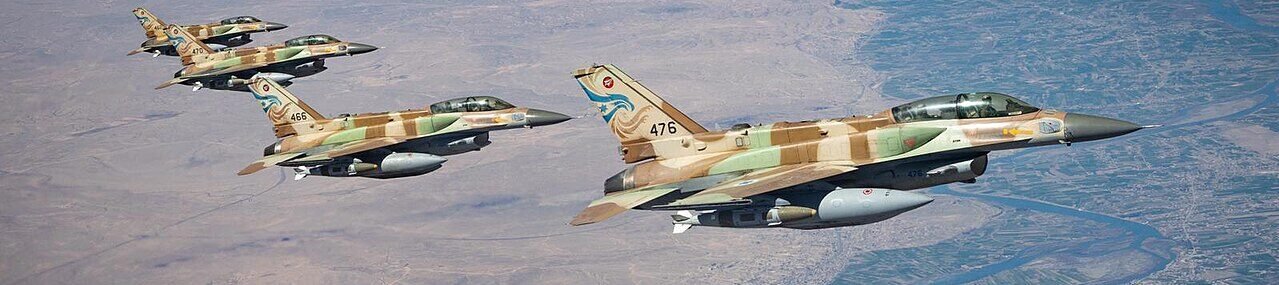
One noticeable aspect of recent operations has been the extensive use of guided aerial bombs. These weapons enable aircraft to release munitions from safer distances while still striking fortified positions. Military analysts believe such weapons are primarily intended to target defensive structures, ammunition storage facilities, command posts, and troop concentrations located behind frontline positions.
Russian forces have also continued combining artillery fire with reconnaissance drones. Unmanned aerial vehicles are increasingly used to identify targets, assess battlefield conditions, and provide real-time intelligence for artillery units. This integration has become one of the defining characteristics of the modern battlefield.
At the same time, Ukrainian forces have maintained defensive operations while conducting counterattacks wherever operational opportunities emerge. Although territorial changes often occur gradually, both sides continue to report tactical successes within their respective operational assessments.
The overall battlefield remains fluid, with neither side able to achieve a decisive breakthrough across the entire front.
Putin’s Frontline Visit Draws Attention to Russia’s Military Priorities
High-level visits to military headquarters during wartime often carry strategic and symbolic significance. Such visits can demonstrate political support for military operations while allowing senior leaders to review battlefield conditions directly.
Russian President Vladimir Putin recently appeared in military attire during a visit to a command facility associated with operations near the Ukrainian border. Although officials details regarding operational discussions remain limited, the visit attracted international attention because similar appearances have historically coincided with periods of intensified military activity.
Military observers generally interpret such visits in several ways. First, they serve to demonstrate support for military personnel deployed near active combat zones. Second, they provide opportunities for commanders to brief national leadership regarding operational developments, logistics, force readiness, and future planning.
Russian officials have also discussed the concept of establishing security or buffer zones near near border regions affected by cross-border attacks. According to Moscow, these measures are intended to reduce threats against Russian territory. Ukraine, however, rejects Russia’s justification and continues to describe Russian military operations as violations of its sovereignty and territorial integrity.
The differing interpretations illustrate how both governments continue presenting narratives regarding military objectives.
Regardless of political messaging, the battlefield itself remains defined by artillery exchanges, drone warfare, and sustained combat operations rather than symbolic appearances alone.
Precision Weapons, Drones, and Logistics Become Central to Modern Warfare
The Russia-Ukraine conflict has demonstrated how modern warfare increasingly depends on technology. Long-range precision weapons, reconnaissance drones, electronic warfare systems, and intelligence networks now play a central role alongside traditional military equipment.
Both Russian and Ukraine have invested heavily in expanding their drone capabilities throughout the conflict. Drones perform numerous battlefield functions, including reconnaissance, surveillance, target identification, artillery correction, electronic warfare support, and direct attacks against military equipment.
Long-range strike capabilities have also become increasingly important. Rather than focusing exclusively on frontline combat, both militaries seek to disrupt logistical networks supporting military operations.
Potential targets frequently include fuel storage sites, transportation hubs, railway infrastructure, ammunition depots, maintenance facilities, communication centers, and military production sites. From a military perspective, reducing an opponent’s logistical capacity can significantly affect operational tempo without requiring large-scale territorial advances.
Analysts note that modern conflicts increasingly emphasize disrupting supply chains. Fuel, ammunition, replacement equipment, communications systems, and transportation networks all represent critical components of military effectiveness.
Electronic warfare has emerged as another important battlefield element. Both sides regularly attampt to jam communications, interfere with navigation systems, disrupt drone operations, and protect sensitive military networks from electronic surveillance.
Artificial intelligence, satellite imagery, and real-time intelligence sharing have further transformed battlefield decision-making. Faster intelligence allows commanders to indentify targets more quickly while reducing the time between detection and engagements.
As technology continues evolving, military planners around the world are closely observing lessons emerging from the conflict.
Accordint To Wikipedia