 By Sandeep Kumar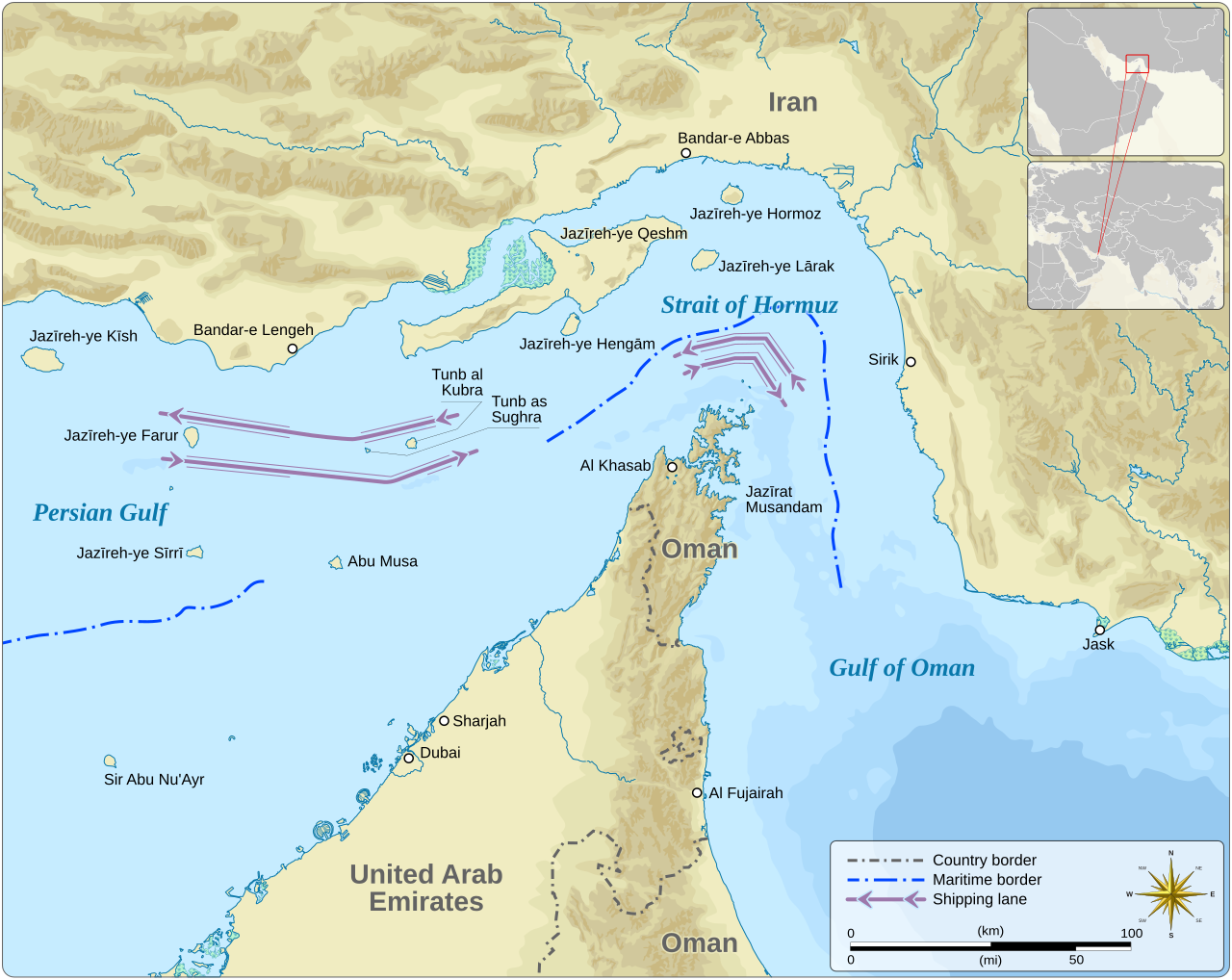
Escalating Tensions in the Strait of Hormuz: A crucial Flashpoint in Global Geopolitics
As the U.S begins a naval blockade in the Strait of Hormuz, tensions in this critical waterway, which facilitates the transit of about 20% of the world’s oil and liquefied natural gas, have escalated significantly. This maneuver, confirmed by the U.s. military, comes after a failed round of peace talks and signals the intensifying pressures between the U.S. and Iran. The blockade, aimed at restricting Iran’s access to the vital shipping route, has drawn global attention, with concerns mounting over its economic and geopolitical repercussions.
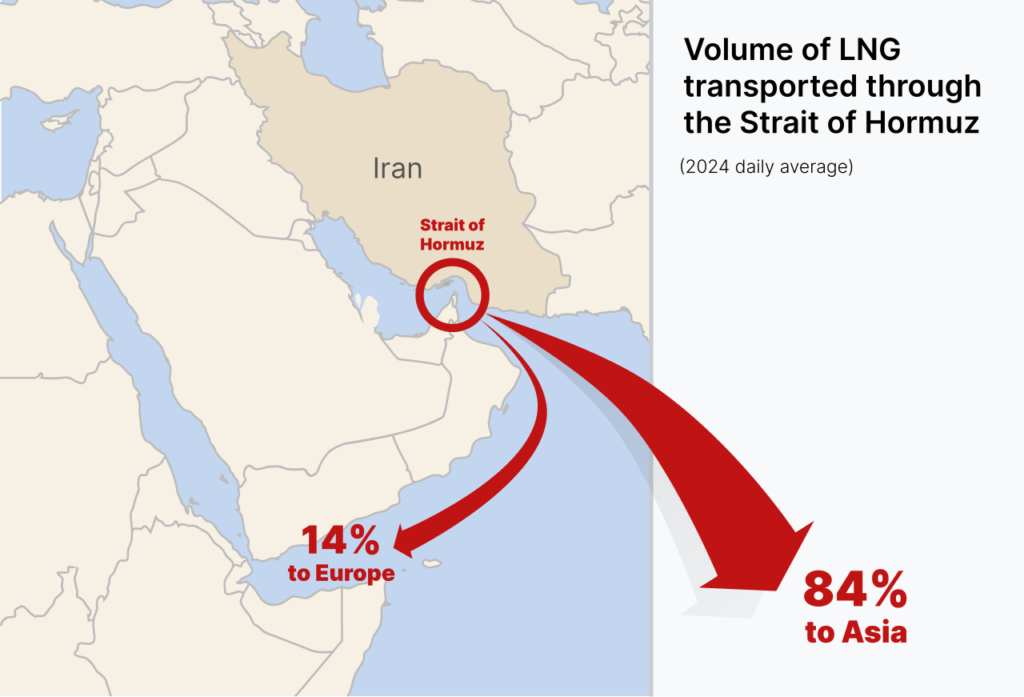
The Strait of Hormuz is not just any maritime route; it’s a lifeline for global energy supplies. Every day, vessels carrying crucial shipments of oil and gas pass through its narrow waters, serving not only the Middle East but countries as far-reaching as China, Japan, and Europe. This makes the region not just a focal point of economic activity but also a geopolitical flashpoint. Both the U.S. and Iran have long recognized the importance of this passage. However, recent actions by both sides suggest a looming crisis that could have far-reaching consequences.
The U.S. Blockade: A Tactical Shift
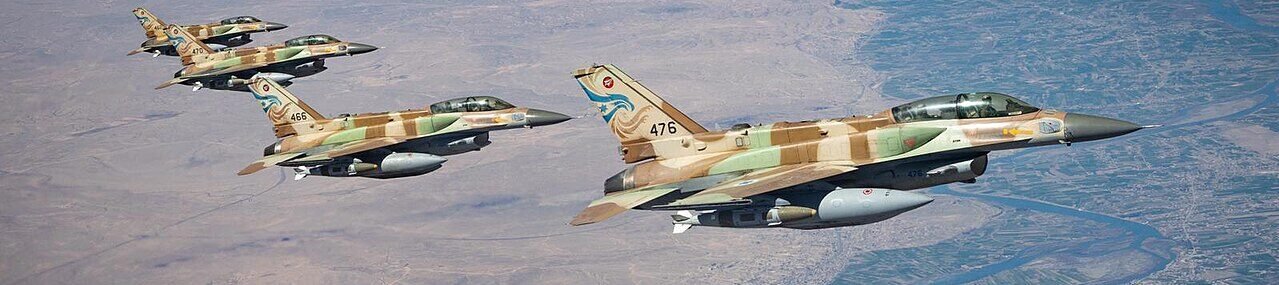
President Donald Trump, in a series of statements, warned that the U.S. would take steps to block all vessels attempting to pass through Iranian-controlled ports in the Strait. The U.S. military’s decision to begin its blockade strategy is part of a broader effort to ratchet up pressure on Iran, which has used the Strait as leverage in recent weeks by intermittently halting ships’ passage to spike oil prices.
The President’a message was clear: any Iranian attempt to obstruct shipping traffic or open fire on passing vessels would result in severe retaliation. Trump’s statement, which included a reference to blowing Iranian forces to hell, heightened fears of military conflict. Iran, for its part, has labeled the U.S. actions as piracy and warned of a robust defense of the Strait. The risk of escalating tensions into full-scale military conflict remains high.
Iran’s Leverage: A Strategic Waterway
For Iran, controlling the Strait of Hormuz is more than just an economic weapon. It’s a strategic asset that gives the Islamic Republic considerable influence over global trade and energy prices. Over the past few weeks, Iran has shown its ability to disrupt shipping, threatening the stability of global markets. By controlling access to this critical waterway, Iran can send shockwaves through the global economy, forcing countries dependent on Middle Eastern oil to reconsider their positions in the geopolitical struggle.
However, this tactic has also come at a cost for Iran. As the U.S. continues to impose economic sanctions, its military actions in the region have prompted further international isolation. The Iranian government has sought to mitigate these sanctions by cultivating alliances, particularly with China and Russia, who have been vocal in their opposition to U.S. actions in the region.
The Collapse of Peace Talks
The ongoing conflict took a dramatic turn when peace talks, brokered by Pakistan, collapsed over the weekend. Both sides failed to reach an agreement, with Iran continuing to demand that the U.S. lift sanctions and cease its military presence in the region, while the U.S. sought to ensure free passage for international shipping through the Strait.
The breakdown in negotiations has led to a shift in U.S. tactics, with Washington now opting for a more aggressive approach. This comes amid reports of a growing sense of frustration within both governments, particularly in Iran, where citizens are increasingly tired of prolonged conflict. The toll of nearly 40 days of continuous airstrikes has left many wondering if diplomatic efforts will ultimately succeed or if the region is on the brink of an even larges war.
Global Repercussions: The Role of China and Russia
One of the most significant global implications of this conflict is its potential impact on oil prices and energy supplies, particularly in countries like China, the world’s largest importer of oil. China relies heavily on oil shipments passing through the Strait of Hormuz, with approximately 13% of its oil imports coming from Iran. If the U.S. blockade goes ahead, it could disrupt China’s energy security, which would have major economic ramifications both regionally and globally.
In addition to China, Russia is also an important player in the region. While Moscow has not directly intervened in the conflict, its support for Iran has been a crucial factor in balancing U.S. influence in the region. Both countries have expressed their opposition to the U.S. blockade, warning that such actions could lead to further destabilization in the Middle East and beyond.
The Path Ahead: Diplomacy or Escalation?
As the U.S. military begins its blockade of Iranian ports, the question remains: will this escalate into a larger conflict, or is there still room for diplomatic resolution? Both sides appear to be digging in their heels, with neither willing to make major concessions. However, there are indications that both governments recognize the risks of all-out war and would prefer to avoid it if possible.
For Iran, the blockade is a serious blow to its already struggling economy, which has been hit hard by U.S. sanctions. As President Trump pushes forward with his strategy, the Iranian government is under increasing pressure to respond. However, many Iranians, particularly those in Tehran, are calling for an end to the conflict, expressing frustration over the endless cycle of military engagements.
On the other hand, the U.S. appears determined to maintain its pressure on Iran, hoping that further economic damage will force Tehran to the negotiating table. But the real question is whether the U.S. will be able to maintain support from its allies, especially in Europe and Asia, where concerns over global stability and energy security are paramount.
Global Economic Shock: Oil Price Surge, Inflation Spike, and the Strait of Hormuz Crisis Amid Ongoing Conflict
The ongoing geopolitical conflict involving Iran, the United States, and regional allies has evolved far beyond a military confrontation. It has now become a full-scale global economic crisis, shaking energy markets, disrupting supply chains, and triggering inflationary pressures across continents.
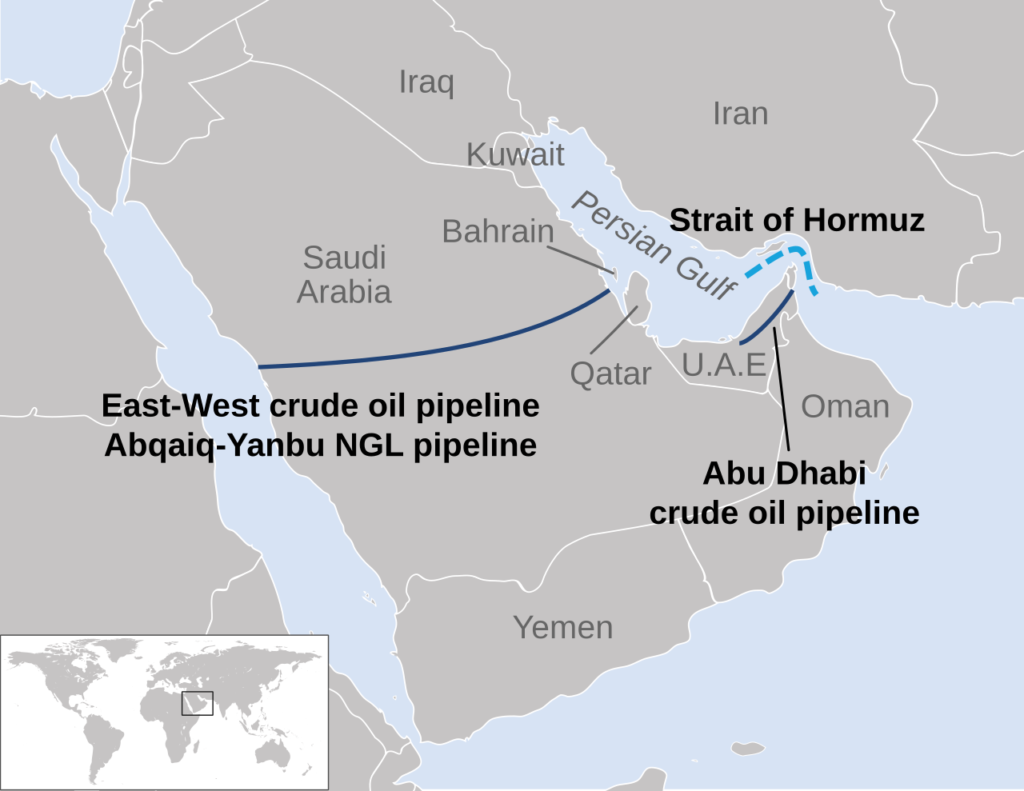
At the heart of this crisis lies a narrow but critical maritime passage-the Strait of Hormuz. This strategic waterway, responsible for transporting nearly one-fifth of the world’s oil and gas, has turned into a dangerous flashpoint, threatening global energy security.
As tensions continue, the ripple effects are being felt from Asia to Europe and Africa, with government scrambling to manage fuel shortages, rising costs, and economic instability. With high-stakes diplomatic talks expected in Islamabad, the word now watches closely, hoping for a breakthrough the could stabilize both the region and the global economy.
The Strait of Hormuz: A Critical Global Chokepoint
The Strait of Hormuz is often described as the would’s most important energy corridor. located between Iran and Oman, this narrow passage connects the Persian Gulf to global markets.
Approximately 20% of the world’s oil and liquefied natural gas flows through this route daily. Any disruption here sends immediate shockwaves across international markets.
Current Situation
Due to escalating tensions:
- Shipping companies have labeled the route “high-risk”
- Major oil tanker operators are avoiding transit unless absolutely necessary
- Insurance costs for vessels have surged dramatically
- Threats of missile or drone attacks remain significant
A leading global shipping body representing a majority of oil tankers has warned that the threat level remains critical, advising extreme caution.
If the situation does not improve soon, the consequences could include:
- Severe global fuel shortages
- Skyrocketing transportation costs
- Long-term disruption of supply chains
Oil Prices Reach Crisis Levels
One of the most immediate impacts of the conflict has been the sharp rise in oil prices.
Key Market Indicators
- Brent crude oil has surged to approximately $95 per barrel, compared to around $60 before the conflict began.
- The spot price of oil-which reflects immediate delivery demand-has skyrocketed to nearly $147 per barrel.
This is particularly alarming because such levels have not been seen since the global financial crisis of 2008.
Why Spot Prices Matter More
While Brent crude indicates future expectations, the spot price reveals real-time supply stress.
Refineries in Asia and Europe are now forced to.
- Pay significantly higher costs for immediate oil supply
- Pass these costs down the chain, affecting industries and consumers alike
This situation reflects not just a price increase but a deep supply insecurity.
Fuel Shortages and Emergency Measures Across Continents
The impact of rising energy prices is uneven, with Asia and Africa experiencing the most severe consequences so far.
Government Measures
Countries have introduced various strategies to manage the crisis:
- Fuel rationing (petrol and diesel limits)
- Price caps to control inflation
- Promotion of remote work
- Encouraging citizens to take additional weekly holidays
In some nations like Myanmar:
- Authorities have implemented alternate-day driving systems to educe fuel consumption
Europe’s Growing concern
European aviation authorities have issued warnings that:
- Jet fuel shortages could occur within three weeks
- airline operations may face disruptions if supply chains remain blocked
This could have cascading effects on:
- Tourism
- International trade
- Passenger travel
Inflation on the Rise
The surge in oil prices is directly feeding into global inflation.
Latest Indicators
Recent economic data shows:
- Inflation in the United States has risen from 2.4% in February to 3.3% in March
This increase signals that:
- The cost of transportation is rising
- Food production and distribution are becoming more expensive
- Household energy bills are increasing
Everyday impact
Consumers worldwide are already experiencing:
- Higher fuel prices at the pump
- Increased grocery bills
- Rising costs of essential goods
If the conflict continues, inflation could:
- Persist for months
- Slow down global economic growth
- Increase financial pressure on households
According a Anjan news Live
According to Wikimedia Commons