 By Sandeep Kumar
US- Iran Talks 2026: What’s Happening and Why It Matters
In a dramatic and potentially historic development, JD Vance met senior Iranian officials face-to face in Islamabad, marking the highest-level diplomatic contact between the United States and Iran since the Iranian Rev olution.
This rare engagement comes amid one of the most volatile periods in recent Middle Eastern history. With war intensifying across multiple fronts, including tensions involving Israel and Hezbollah in Lebanon, and rising concerns over global oil supply disruptions, the stakes could not be higher.
The talks, mediated by Pakistan, represent a fragile but crucial opportunity to prevent a broader regional war while addressing long-standing disputes that have shaped global geopolitics for decades.
A Historic Diplomatic Breakthrough

The presence of JD Vance and Iran’s senior leadership in the same room signals a major shift in diplomatic strategy. For decades, direct communication between Washington and Tehran has been limited, often conducted indirectly through intermediaries.
Iran’s delegation, led by Mohammad Bagher Ghalibaf, engaged in multiple rounds of discussions with US officials under the mediation of Shehbaz Sharif.
Pakistan’s role has been widely praised, as it successfully brought both sides to the negotiating table at a time when tensions were dangerously high.
Why Islamabad Became the Diplomatic Center
The choice of Islamabad as the venue is not accidental. Pakistan maintains diplomatic relations with both the United States and Iran, making it uniquely positioned to act as a neutral mediator.
Security across the city was heightened significantly, especially around the diplomatic enclave where the talks were held. The global media presence further highlighted the importance of the moment, with journalists from around the world closely monitoring developments.
Pakistan’s strategic goal is clear:
- Prevent regional escalation
- Strengthen its global diplomatic image
- Maintain stability in south Asia and the Middle East
Inside the Negotiations: What Happened Behind Closed Doors
The negotiations extended for more than seven hours, including multiple sessions and a working dinner. What makes these talks particularly significant is the level of engagement.
Key Features of the Talks:
- Direct face-to-face discussions
- Trilateral format (US-Iran-Pakistan)
- Participation of technical experts
Technical teams focused on:
- Maritime security in the Persian Gulf
- Financial sanctions and asset recovery
- Legal frameworks for future agreements
Reports suggest that both sides exchanged draft documents, indicating serious progress. However, major disagreements remain unresolved.
Strait of Hormuz: The Most Critical Flashpoint
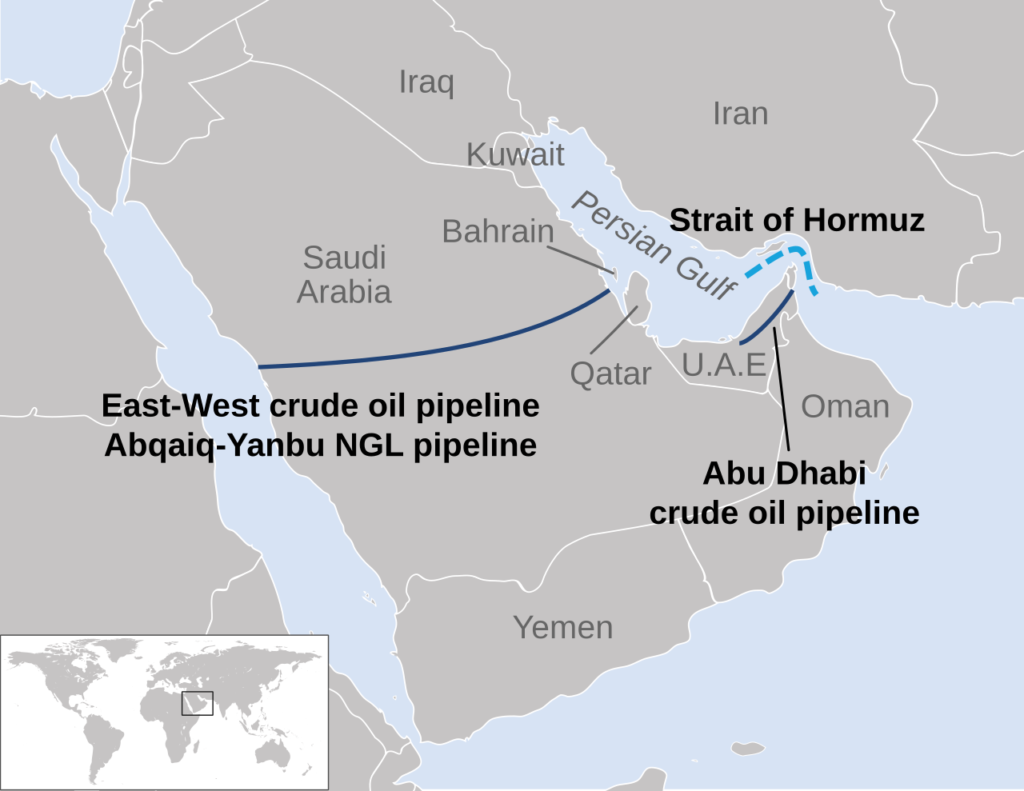
At the center of the negotiations is the Strait of Hormuz one of the most strategically important waterways in the world.
Why the Strait Matters:
- Handles nearly 20% of global oil shipments
- Critical for energy supplies to Asia, Europe, and beyond
Current Situation:
Iran has restricted access to the strait, allowing only selected vessels to pass. This has already disrupted global oil flows.
Key Disagreement:
United States Position:
Ensure free and secure navigation for all vessels
Iran’s Position:
Maintain control and use it as leverage in negotiations
The US proposal for joint control has been rejected by Iran, Which insists on sovereignty over the waterway.
This issue is widely seen as the biggest obstacle to any agreement.
Lebanon War: A Crisis Within a Crisis
While diplomatic efforts continue in Islamabad, the situation in Lebanon remains dire.
The conflict between Hezbollah and Israel has intensified significantly.
Key Developments:
- Over 200 airstrikes in 24 hours
- Death toll exceeding 2,000
- More than 1 million displaced
Entire communities have been forced to flee, creating a humanitarian crisis.
Impact on Talks:
Iran insists that any ceasefire agreement must include Lebanon. However:
- The US and Israel are reluctant
- This creates a major diplomatic deadlock
The continuation of violence in Lebanon threatens to derail the entire negotiation process.
Iran’s Nuclear Program: The Longstanding Dispute
Another critical issue is Iran’s nuclear program, which has been a point of contention for decades.
US Concerns:
- High levels of uranium enrichment
- Potential development of nuclear weapons
Iran’s response:
- Claims program is for peaceful purposes
- Refuses to completely dismantle capabilities
This issue remains one of the most complex aspects of the negotiations and is unlikely to be resolved quickly.
The Role of Pakistan as a Mediator

Shehbaz Sharif has played a crucial role in facilitating dialogue.
Pakistan’s involvement offers:
- Neutral ground for talks
- Diplomatic credibility
- Strategic balance between global powers
If successful, Pakistan could emerge as a key diplomatic player on the global stage.
Trust Deficit: The Biggest Challenge
Despite progress, deep mistrust continues to define US-Iran relations.
Reasons:
- Decades of political hostility
- Military confrontations
- Proxy conflicts across the Middle East
Leaders on both sides face internal political pressure, limiting their ability to compromise.
Global Economic Implications
The outcome of these talks will have significant global consequences.
Oil Markets:
Any disruption in the Strait of Hormuz could:
- Trigger sharp oil price increases
- Lead to global inflation
Financial Markets:
- Increased volatility
- Investor uncertainty
Supply Chains:
- Potential disruptions
- Rising transportation costs
countries around the world are closely watching the situation.
What Happens Next?
Negotiators are reportedly working on a draft agreement. However, several key issues remain unresolved:
- Control of the Strait of Hormuz
- Inclusion of Lebanon in ceasefire
- Iran’s nuclear program
The coming days will be critical in determining whether these talks lead to a breakthrough or collapse.
Expert Analysis: Breakthrough or Breakdown?
Analysts believe that while progress has been made, a final agreement is still uncertain.
Positive Signs:
- Direct communication
- Continued negotiations
- Involvement of technical experts
Negative signs:
- Major disagreements remain
- Ongoing conflict in Lebanon
- Lack of trust
The situation remains highly unpredictable.
Conclusion
The US-Iran talks in Islamabad represent one of the most significant diplomatic efforts in recent history.
While the continuation of talks offers hope, the challenges remain immense. From the Strait of Hormuz dispute to the ongoing war in Lebanon, the path to peace is complex and uncertain.
The world now waits to see whether this historic moment will lead to lasting peace or further escalation.
According a https://anjannews.com
According to Wikimedia Commons
.svg)