 By Sandeep Kumar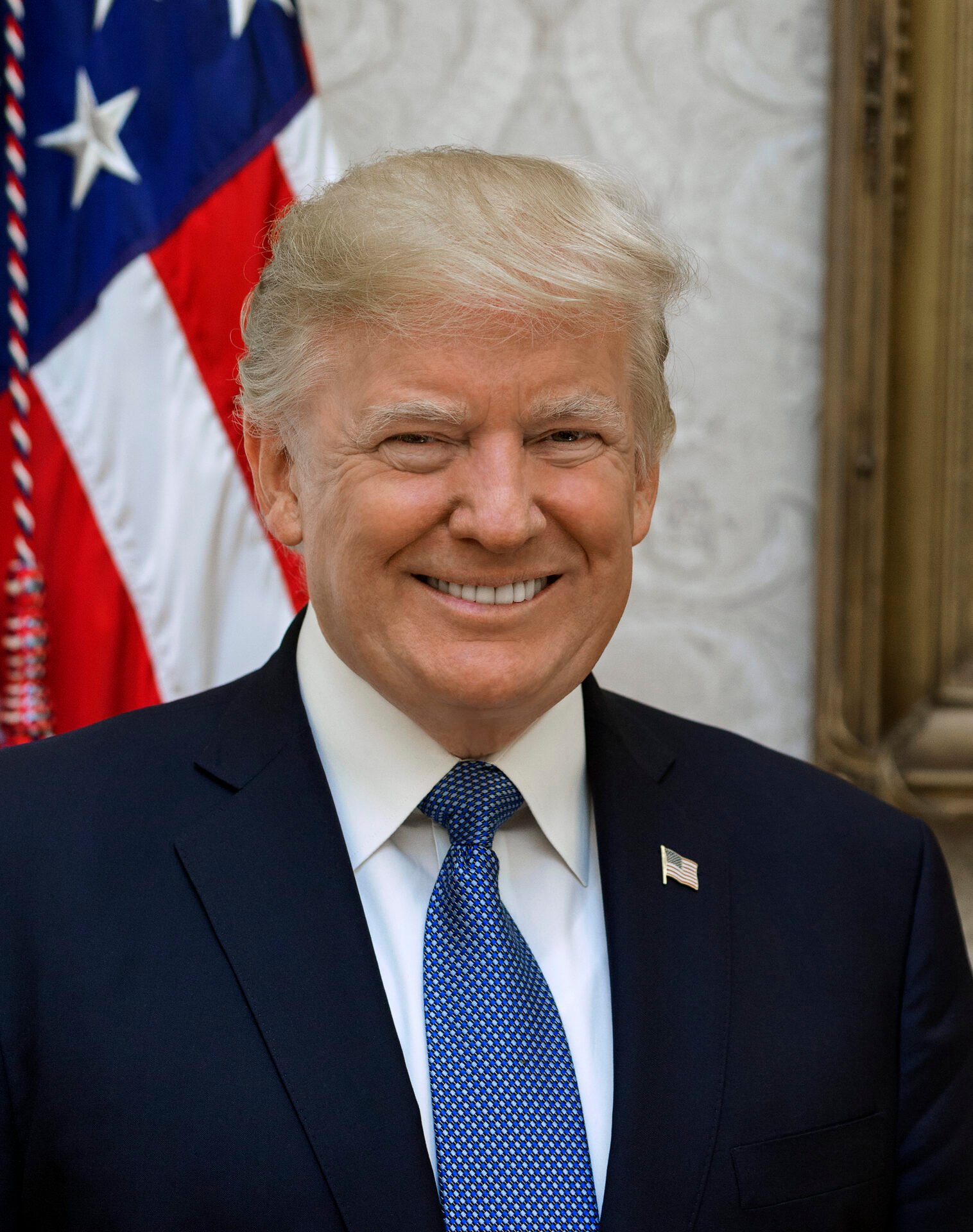
The ongoing conflict escalated after Donald Trump Iran threat targeting Iran’s infrastructure sparked global backlash.
The ongoing conflict involving the United states, Israel, and Iran has entered a more volatile phase after Donald Trump issued a controversial and aggressive warning targeting Iran’s critical infrastructure. The remarks, posted on his social media platform Truth social, have triggered widespread political criticism, international reactions, and growing concerns over economic consequences.
Trump’s Explosive Warning on Iran
In a strongly worded message, Trump threatened to target Iran’s energy and transport infrastructure if Tehran failed to reopen the strategically vital Strait of Hormuz. His statement included references to attacking power plants and bridges, warning Iranian authorities of severe consequences if compliance was not achieved.
The Strait of Hormuz, a narrow but crucial waterway, is one of the world’s most important oil transit routes. Any disruption there has immediate global economic implications, especially for energy markets.
Political Backlash in the United States
Trump’s remarks have not gone unchallenged, even among figures aligned with his political movement. Marjorie Taylor Greene, a prominent figure associated with the MAGA movement, publicly criticized the statement.
In a post on X (formerly Twitter), Greene accused the administration of moral failure and warned that targeting infrastructure would harm innocent civilians rather than military assets. She went further, calling the president’s behavior “insane” and urging accountability within his administration.
Despite such criticism, much of the response from Republican lawmakers has remained subdued. According to political analysts, many lawmakers are hesitant to publicly contradict the president during an ongoing conflict. At the same time, some voices within Congress are beginning to question the broader strategy.
There are increasing calls for legislative oversight, with several lawmakers arguing that Congress should formally authorize any prolonged military engagement. This reflects growing concern about the duration and direction of the conflict, which has already extended beyond initial expectations.
International Reactions and Diplomatic Tensions
Trump’s comments have also drawn sharp responses from Iranian diplomatic missions worldwide. Embassies in multiple countries reacted with unusually direct and critical language.
In South Africa, Iran’s embassy suggested invoking constitutional mechanisms such as the 25th Amendment, which allows for the removal of a president deemed unfit for office. Meanwhile, diplomatic missions in Austria, Bulgaria, the United Kingdom, and India mocked the tone of Trump’s message, describing it as desperate, inappropriate, and unbecoming of a global leader.
These reactions highlight the deteriorating diplomatic environment and underscore how rhetoric can influence international perceptions during times of conflict.
Military Escalation: Strikes on Iranian Infrastructure

Artabanmoshtagh
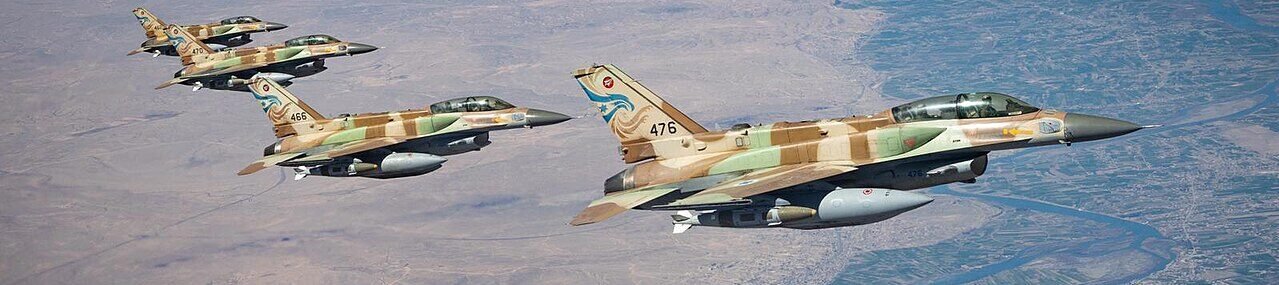
On the ground, the situation continues to intensify. Israel Katz confirmed that Israeli forces have launched major strikes on Iran’s petrochemical infrastructure.
According to Israeli officials, one of the largest petrochemical facilities in southwestern Iran has been targeted. This region is considered the backbone of Iran’s energy sector, reportedly accounting for a significant portion of the country’s petrochemical output.
Israeli leadership, including Benjamin Netanyahu, has authorized continued attacks on infrastructure, arguing that these industries financially support Iran’s military capabilities.
The focus on economic and industrial targets represents a strategic shift aimed at weakening Iran’s long-term operational capacity rather than engaging solely in direct military confrontation.
Rising Civilian Impact and Regional Instability
The escalation has also led to tragic consequences for civilians. In the Israeli city of Haifa, a missile strike on a residential building resulted in multiple fatalities. Rescue teams recovered the bodies of four individuals, including elderly residents and younger adults who were reportedly sheltering during the attack.
Across Israel, missile alerts have become a daily occurrence, forcing residents to seek shelter frequently. Cities like Tel Aviv and Jerusalem have also experienced repeated warnings, highlighting the widespread reach of the conflict.
These developments illustrate the growing human cost of the war, with civilians on both sides increasingly caught in the crossfire.
Economic Fallout: Oil and Gas Prices Surge
Beyond the battlefield, the conflict is having a significant economic impact, particularly in the United States. Fuel prices have surged dramatically since the start of hostilities, with gasoline prices rising by nearly 40% and diesel costs climbing even higher.
The disruption of oil supply routes, especially concerns surrounding the Strait of Hormuz, has created uncertainty in global energy markets. Analysts warn that prolonged instability could led to further increases in the cost of goods and services, as transportation and production expenses rise.
This economic pressure is already influencing public opinion in the United States, where support for the conflict appears limited. Unlike previous military engagements, there has been no significant rally around the flag effect.
Mixed Reactions to Military Success
Amid the tensions, there was a rare moment of unity following the successful rescue of a U.S. airman who had been downed in Iran. The operation was widely praised and seen as a positive development in otherwise contentious situation.
However, Trump’s controversial post overshadowed this achievement, drawing attention away from what could have been a unifying moment. Observers noted that the timing of the message raised questions about the administration’s communication strategy.
Uncertain Path Forward
AS the conflict continues, key questions remain unanswered. The potential for further escalation is high, particularly as both the United States and Israel intensify their focus on Iran’s infrastructure.
At the same time, domestic political pressures in the U.S. are mounting, with lawmakers increasingly calling for clarity, accountability, diplomatic relations are becoming more strained, reducing the likelihood of a quick resolution.
The coming days are expected to be critical, with Trump scheduled to address the media. While the briefing is expected to focus on recent military developments, it is likely to expand into broader issues surrounding the conflict.
Conclusion
The situation in the Middle East is rapidly evolving, with military escalation, political divisions, and economic consequences all converging. Trump’s rhetoric has added another layer of complexity, drawing both domestic criticism and international backlash.
As tensions rise and the global community watches closely, the need for measured leadership and strategic clarity has never been more urgent. Whether the conflict stabilizes or spirals further will depend on decisions made in the days ahead-decisions that carry significant implications not just for the region, but for the entire world.
According to Anjan News Live