 By Sandeep Kumar
The Strait of Hormuz crisis 2026 has entered its 34th day, bringing with it a dangerous escalation in military action, economic instability, and global concern over energy security. At the heart of the crisis lies the strategic and heavily contested Strait of Hormuz-a narrow maritime corridor that has become the focal point of geopolitical tension.
As the United States and Israel intensify strikes inside Iran, and Tehran continues to resist with defiance, the world is now grappling with rising oil prices, disrupted trade routes, and an uncertain path forward.
Global Diplomatic Push to Reopen the Strait of Hormuz
The Strait of Hormuz crisis 2026 has triggered urgent global diplomatic efforts to reopen this critical oil route.
In response to the escalating crisis, foreign ministers from over 40 countries convened an urgent virtual meeting to discuss strategies for reopening the Strait of Hormuz. This vital shipping lane typically handles around 20% of the world’s oil supply, making its disruption a major threat to global economic stability.
However, the meeting yielded no concrete agreements. Instead, it marked the beginning of a broader diplomatic effort focused on long-term solutions rather than immediate military intervention.
The discussions centered around:
- Increasing economic pressure on Iran through sanctions
- Exploring potential United Nations resolutions
- Addressing the humanitarian crisis involving stranded sailors
- Developing future maritime security frameworks
Despite the urgency, leaders acknowledged that military action to force open the Strait is not a viable option, as it risks further escalation.
Humanitarian Crisis: Thousands of Sailors Trapped
The blockade has led to a severe humanitarian and logistical crisis. According to officials:
- Only 25 vessels passed through the Strait in the last 24 hours
- Normally, around 150 ships transit daily
- Over 2,000 ships remain stranded
- Nearly 20,000 seafarers are trapped
These sailors face not only uncertainty but also significant risks, particularly those carrying hazardous or volatile cargo. Any accident in such conditions could trigger environmental disasters.
Trump’s Hardline Stance Sparks Global Reaction
U.S. President Donald Trump has taken a strong stance, warning Iran with aggressive rhetoric, including a controversial threat to bomb Iran back to the Stone Age.
Former U.S. President Donald Trump has taken a strong Stance, warning Iran with aggressive rhetoric, including a controversial threat to bomb Iran back to the Stone Age.
Trump has also shifted responsibility for securing the Strait onto other nations, stating the countries dependent on the route should take the lead in protecting it.
This position has created tension among allies, as the United States did not participate in the recent diplomatic meeting. While Washington may rely less on oil passing through the Strait, it remains deeply concerned about global oil prices and market stability.
Oil Prices Surge to Crisis Levels
Donald Trump oil prices surged sharply in global markets.
The impact on global energy markets has been immediate and severe. Following Trump’s latest address:
- Oil prices surged by 8%
- Brent crude rose to approximately $108 per barrel
- Overall oil prices have increased by more than 50% since the conflict began
This sharp rise is already affecting economies worldwide, leading to:
- Higher petrol and diesel prices
- Increased transportation costs
- Disruptions in global supply chains
Analysts warn that even if the conflict ends soon, it may take considerable time for energy infrastructure in the Gulf region to recover.
Aviation Industry Hit by Jet Fuel Shortage
The aviation sector is among the hardest hit by the crisis. Jet fuel prices have doubled, significantly impacting airline operations, as fuel accounts for about 25% of operating costs.
Major airlines are already responding:
- Air China has increased fuel surcharges
- Korean Air has entered emergency management mode
- Vietnam Airlines is reducing flights
- Airlines like Air France and Air New Zealand are preparing to raise ticket prices
- JetBlue plans to increase baggage fees
Even airlines that hedge fuel prices in advance are warning of price in advance are warning of price increases later in the year, indicating prolonged financial strain across the industry.
Escalating Military Strikes Inside Iran
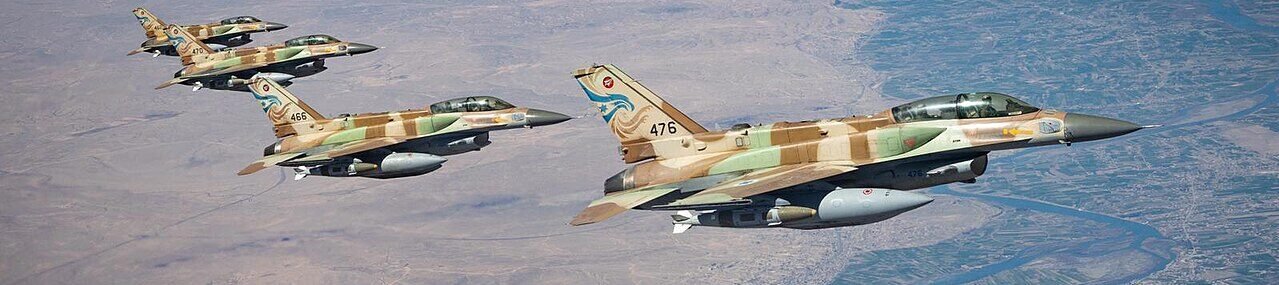
On the battlefield, the situation continues to deteriorate. The U.S. and Israel have intensified their airstrikes on Iranian targets, with significant explosions reported near a missile base in Isfahan.
Verified footage shows:
- Multiple explosions
- Secondary blasts, indicating stored munitions detonating
- Extensive damage to military infrastructure
Despite these attacks, Iran maintains that the impact has been minimal and insists that its military capabilities remain intact.
Iran’s Response: Defiance and Threat of Retaliation
Iran has issued strong warnings in response to the attacks, promising a crushing retaliation if aggression continues. Officials claim that:
- Missile and drone capabilities remain operational
- Attacks against regional targets are ongoing
- There is no sign of military exhaustion
This suggests that the conflict could continue for an extended period, with both sides unwilling to back down.
Civilian Infrastructure Hit: Rising Concerns Inside Iran
Reports indicate that several non-military targets have also been affected:
- A vaccine research institute in Tehran
- A major bridge connecting Tehran to the Caspian region
- Iran’s largest steel production facility
These strikes have raised serious concerns among civilians, as they impact essential services and economic stability.
The destruction of key infrastructure not only disrupts daily life but also deepens resentment among the population, potentially fueling further conflict.
Strategic Tensions Over Strait control
One of the most contentious issues emerging from the crisis is Iran’s reported plan to charge ships for transit through the Strait of Hormuz.
This proposal has been strongly proposal by global powers, who argue that:
- The Strait is an international waterway
- Any attempt to control or monetize access violates international law
- It could set a dangerous precedent for global trade routes
This disagreement is expected to become a major flashpoint in future negotiations.
Economic Fallout: A Global Ripple Effect
The crisis is no longer confined to the Middle East. Its effects are being felt worldwide:
- Rising fuel prices are increasing the cost of goods
- Supply chains are becoming more complex and expensive
- Inflation pressures are mounting in multiple economies
Countries heavily dependent on Gulf energy supplies, particularly in Asia, are facing the greatest challenges.
Uncertain Path Forward: Diplomacy vs Conflict
While diplomatic efforts are underway, there is no immediate solution in sight. The key challenges include:
- Lack of consensus among global powers
- Absence of U.S. leadership in diplomatic talks
- Continued military escalation on both sides
experts believe that meaningful progress will depend on:
- A ceasefire agreement
- International cooperation on maritime security
- Long-term economic and political negotiations
Conclusion: A Crisis at a Crossroads
As the war enters its second month, the situation remains highly volatile. The Strait of Hormuz crisis has exposed the fragility of global energy systems and the risks of geopolitical conflict in critical regions.
With oil prices soaring, global trade disrupted, and military tensions escalating, the world faces a decisive moment. Whether through diplomacy or further confrontation, the decisions made in the coming days will shape the future of this conflict-and its impact on the global economy.
According to Wikimedia Commons
According a Anjan News