
A major cybersecurity alert has put website operators around the world on high alert after artificial intelligence-assisted research helped uncover two critical vulnerabilities in PHP, one of the internet’s most widely used programming languages. The flaws could allow attackers to execute malicious code on vulnerable servers without authentication, potentially putting websites, applications and se nsitive information at risk.
In response, governments, cybersecurity agencies and private organisations moved to assess their exposure. Some temporarily took websites or online services offline as a precaution while preparing security updates. The incident has also highlighted a growing challenge in the age of artificial intelligence: the same technology that helps defenders discover hidden security weaknesses can also help attackers understand and exploit them.
The PHP development team released security fixes on October 21, 2026, and cybersecurity authorities urged organisations to install them immediately.
What Happened in the Global PHP Security Alert?
The alert centres on two critical vulnerabilities identified as CVE-2026-109618 and CVE-2026-109619. Both affect the core PHP runtime, the software that processes PHP code on web servers.
The vulnerabilities received a CVSS v4.0 severity score of 9.2 out of 10, placing them in the critical category. Depending on the affected system and its configuration, successful exploitation could allow an unauthenticated attacker to execute code remotely. The flaws may also expose sensitive information held in a PHP process’s memory.
The European Commission, the European Union Agency for Cybersecurity (ENISA), CERT-EU, Europol’s cybercrime centre and the EU network of national cybersecurity incident response teams issued a joint warning on October 21.
Their advice was direct: identify affected systems, apply the available security updates and, where immediate remediation is not possible, consider isolating exposed applications from public networks until they can be secured.
The urgency was driven by the potential consequences of exploiting software used across a substantial part of the internet.
Why PHP Matters to Websites Around the World
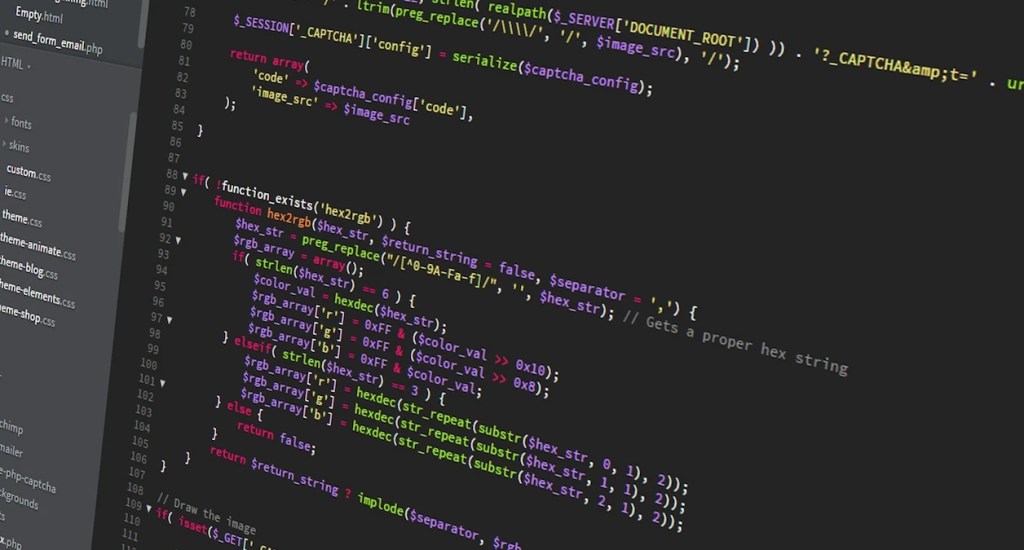
PHP, short for PHP: Hypertext Preprocessor, is an open-source, server-side scripting language used to build and operate dynamic websites and web applications.
It helps websites process forms, communicate with databases, manage sessions and generate content before a page reaches a visitor’s browser. PHP is also widely used in content management systems and other software that runs behind the scenes.
According to W3Techs data dated October 21, 2026, PHP was used by 69.3% of websites whose server-side programming language was known. This is not a claim that 69.3% of every website is vulnerable; exposure depends on the software version, configuration and whether the relevant components are present.
Nevertheless, PHP’s widespread adoption means a flaw in its core runtime can affect organisations across different industries and countries. Even products that do not advertise themselves as PHP-based may include PHP components within their underlying software.
That makes asset discovery and patching more complicated than simply checking a website’s visible technology.
How Artificial Intelligence Helped Discover the Vulnerabilities
The vulnerabilities emerged from cybersecurity research involving advanced AI models. Security researchers used AI-assisted techniques to investigate PHP’s code, identify weaknesses and develop ways to validate their findings.
Google Cloud and Wiz Research disclosed the two critical vulnerabilities on October 21. Google said its Gemini 4 Argon model contributed to finding the vulnerability, exploit development, attack detection and patch validation.
OpenAI also described a coordinated effort involving researchers, software maintainers and security partners to identify and address critical PHP vulnerabilities. The company said its Calif research agent identified a critical flaw, while Wiz independently discovered and reported both vulnerabilities.
The work demonstrates how AI systems can help researchers analyse complex code and investigate combinations of conditions that may be difficult to uncover through conventional manual review alone.
However, the discovery should not be interpreted as proof that AI can independently secure all software or that every AI-discovered vulnerability is automatically exploitable. Human researchers, technical validation, responsible disclosure and software maintainers remain essential parts of the process.
In this case, the findings led to urgent fixes and a coordinated response across the cybersecurity community.
Why Were Government and Other Websites Taken Offline?
As warnings spread, some organisations temporarily disabled public-facing websites or services to reduce exposure while they assessed their systems and prepared to install the fixes.
Finland temporarily took government web services offline as a precaution. The European Patent Office also reported that its website and several online portals had been taken offline on October 21. After installing the required security patches, it said the affected services were gradually returning online.
The City of Edinburgh Council’s website was also reported offline during the alert. However, the council described the outage as essential maintenance and did not confirm that the PHP vulnerabilities were the direct cause.
These distinctions matter: a website being unavailable during a cybersecurity alert does not, by itself, prove that it was hacked or that the vulnerability caused its outage.
Taking a service offline can be a preventive measure. It reduces the opportunity for attackers to reach a vulnerable system while administrators apply updates and check for signs of compromise.
For public bodies, such decisions can temporarily affect access to information, online payments and other digital services. For businesses, outages may interrupt customer services and operations. Organisations must therefore balance service availability against the potential consequences of leaving an exposed system unprotected.
How Serious Are the Two PHP Vulnerabilities?
The two flaws affect internal PHP runtime behaviour and can create conditions that attackers may abuse to execute code remotely.
The first vulnerability, CVE-2026-109618, involves memory corruption associated with out-of-memory handling. The second, CVE-2026-109619, involves stale internal state that can persist after its backing memory has been freed.
Under certain conditions, these issues can allow a remote attacker to execute commands without first authenticating to the vulnerable server. Depending on the permissions and configuration of the affected environment, that access could create further risks for applications, files, databases and other connected resources.
The precise impact will vary between systems. A vulnerable PHP installation does not automatically mean an attacker has gained access, and not every website using PHP will necessarily be exposed in the same way.
However, the combination of remote exploit potential, broad software adoption and the possibility of publicly available exploit techniques makes prompt remediation essential.
Cybersecurity teams should also remember that installing a patch does not automatically prove that a previously vulnerable server was never compromised. Systems exposed before updating may require additional investigation.
Which PHP Versions Have Been Patched?
The PHP project published security updates on October 21, 2026. The announced fixed releases include:
- PHP 8.5.12
- PHP 8.4.27
- PHP 8.3.36
- PHP 8.2.35
Organisations should consult the official PHP security advisory to confirm the appropriate update for their deployment and follow any additional instructions from their hosting provider or software vendor.
Older PHP releases, including PHP 8.1 and earlier versions, are no longer supported by the PHP project and do not receive routine security fixes. Organisations still running these releases should plan a migration to a supported version rather than assume that an unsupported installation can be secured through routine updates.
The official PHP project has warned that updating is the only complete remediation for these vulnerabilities. Where immediate patching is not feasible, organisations should follow cybersecurity authority guidance on restricting or isolating exposed systems.
What Website Owners and Businesses Should Do Now
The incident is a reminder that cybersecurity requires more than installing updates occasionally. Organisations need an accurate picture of the software running across their websites, servers, applications and third-party services.
Website owners and IT administrators should prioritise the following actions:
1. Identify Every PHP Installation
Review web servers, hosting environments, containers, application platforms and third-party products that may include PHP. Do not limit the search to systems that are already known to be outdated.
2. Install the Appropriate Security Updates
Upgrade affected installations to the relevant fixed PHP release. Follow official vendor guidance and confirm that the updated version is actually running in production.
3. Contact Hosting and Software Providers
Some organisations do not manage PHP directly. Their websites may rely on managed hosting, content management systems, plugins or other services that bundle PHP. Ask providers to confirm which components are affected and what remediation has been completed.
4. Monitor for Suspicious Activity
Review server logs, security alerts, unexpected processes, file changes and unusual outbound connections. Investigate indicators of compromise, especially if a system remained exposed after public disclosure of the vulnerabilities.
5. Check for Possible Earlier Compromise
A successful update closes the relevant software weaknesses, but it may not remove an attacker who gained access beforehand. If suspicious activity is detected, follow an incident-response process, preserve relevant evidence and consider professional assistance.
6. Maintain a Reliable Update and Recovery Plan
Keep software inventories current, test backups and ensure teams can deploy emergency updates quickly. Organisations should also establish clear procedures for temporarily restricting or taking services offline when a serious vulnerability cannot be mitigated in time.
Does This Incident Change the Future of AI Cybersecurity?
The PHP vulnerabilities illustrate a dual-use reality of modern AI. Advanced models can help defenders inspect software, discover flaws and test fixes. The same capabilities may also lower the technical barriers for malicious actors seeking to understand vulnerabilities or develop attacks.
That does not mean AI itself caused the security weaknesses. The flaws existed in software; AI-assisted research helped bring them to light. The risk depends on how quickly maintainers release fixes, how effectively organisations deploy them and whether attackers can reach systems that remain vulnerable.
The disclosure also raises questions about how the cybersecurity industry should coordinate when AI-assisted research reveals a high-impact flaw. Responsible disclosure, timely patch development, secure testing and clear public advisories are critical to reducing the period during which vulnerable systems remain exposed.
For organisations, the practical lesson is clear: AI may accelerate vulnerability discovery, but it cannot replace disciplined security management.
Conclusion: A Global Warning for Website Security
The critical PHP vulnerabilities have prompted a rapid international response, with cybersecurity agencies urging organisations to update exposed systems and temporarily isolate those that cannot be secured in time. The temporary shutdowns demonstrate how seriously operators are treating the potential risk, although an outage alone is not proof of a cyberattack.
The episode also marks an important moment for AI-assisted cybersecurity. Artificial intelligence helped researchers uncover weaknesses in software used by a large share of the web, while the resulting urgency has reinforced the need for fast patching, monitoring and coordinated defence.
For website owners, businesses and public institutions, the priority is to identify affected systems, install the correct PHP security updates and investigate any signs of earlier compromise. In a connected digital economy, a vulnerability in a widely used software component can become a global security concern in a very short time.
Frequently Asked Questions
1. What are the latest PHP security vulnerabilities in October 2026?
The two critical flaws are CVE-2026-109618 and CVE-2026-109619. They can allow unauthenticated remote code execution under certain conditions and may expose sensitive process memory.
2. Did AI discover the PHP vulnerabilities?
AI-assisted research contributed to discovering and validating the flaws. Google Cloud and Wiz Research reported both vulnerabilities, while OpenAI described related work in a coordinated security initiative. Human researchers and the PHP maintainers played important roles in validation and remediation.
3. What should website owners do to protect their sites?
Website owners should identify PHP installations, install the appropriate fixed release, consult their hosting or software providers, and monitor systems for suspicious activity. If a vulnerable service cannot be patched promptly, they should follow official guidance on restricting or isolating it.
According To